Get CPU and GPU Temps in Linux

To get CPU and GPU temps in linux you need to install and configure lm-sensors. With lm-sensors you can monitor cpu and gpu temperatures and fan speeds as well as voltages for some systems. Lm-sensors reads the available sensors on your motherboard, cpu, and gpu and displays their output. Once configured, you can use the command line or a GUI to monitor your system’s sensors.
Tags: tutorials, linux, command lineFix Screen Tearing in Xfce
Xubuntu has always been one of my favorite distros, but it has always been plagued by the dreaded screen tearing because of the Xfce desktop environment. Screen tearing is when the GPU is out of sync with the display which causes artifacting and looks like tears between the top and bottom halves of your screen. This can be rather annoying, but luckily there’s easy ways to fix screen tearing in Xfce.
Tags: tutorials, linuxInstall a Global App Menu in Xubuntu 18.04
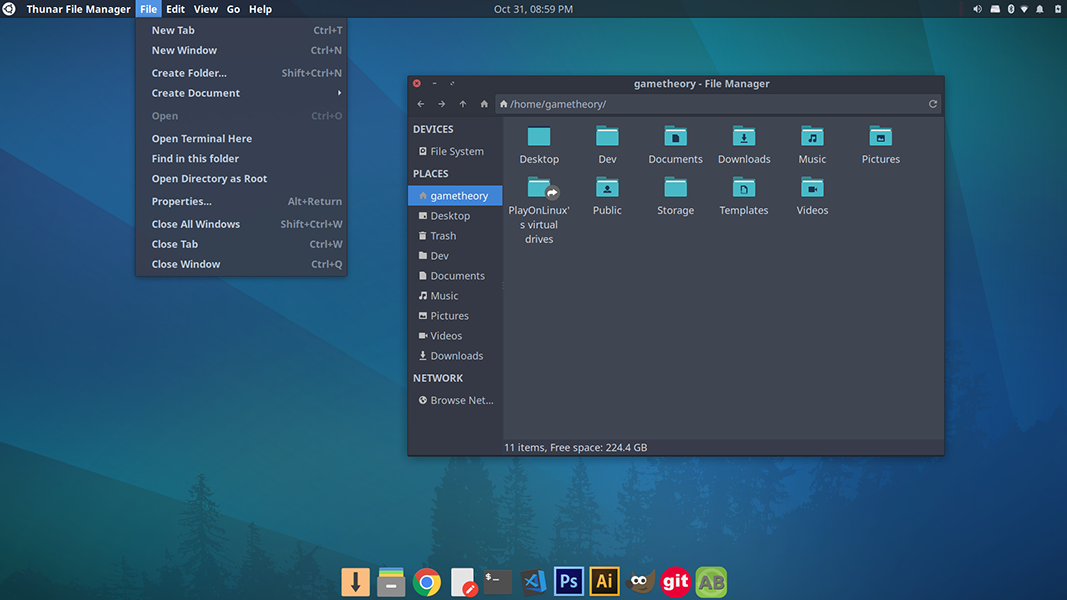
If you ever used ubuntu when it still used the unity desktop, chances are you liked the unity global app menu and would like to have it on Xubuntu 18.04. Hate it or love it, ubuntu did some things really well when it used unity, like the HUD and the Global App Menu. Luckily, we don’t need unity to install a global app menu in Xubuntu 18.04.
Tags: tutorials, linuxUpgrade Kept Back Packages in Linux
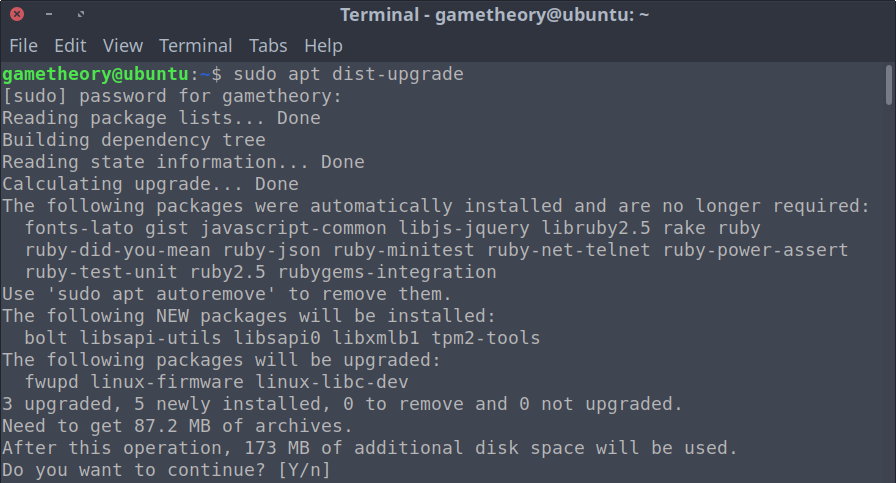
Occasionally when updating your linux system from a terminal, you’ll notice a warning stating “The following packages have been kept back”. This means that when updating, those packages will not be upgraded. Today we’ll look at how to upgrade kept back packages in linux.
Tags: tutorials, linux, command lineRemove Orphaned Packages in Linux
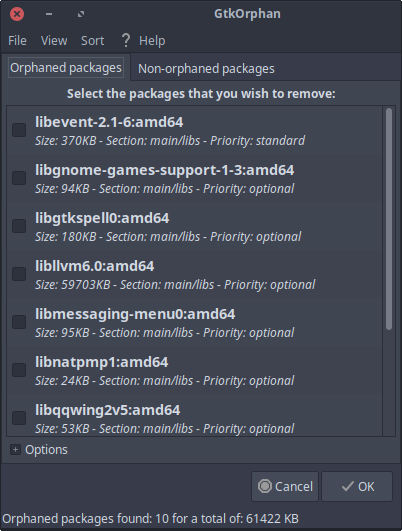
There are a couple of tools to remove orphaned packages in linux. Packages in linux systems depend on other packages or libraries in order to work properly. In some cases you will already have some or all the dependencies installed from them being installed by other packages.
Tags: tutorials, linux, command lineBash Aliases

If you’re not familiar with bash aliases I highly recommend you read on. Bash aliases are fantastic for saving time and not having to remember commands or groups of commands.
A bash alias is just a shortcut that you can set to be a word or even a single letter.
Tags: tutorials, linux, command lineClear or Reset Terminal

Whenever you’re using the terminal extensively you may find your terminal cluttered with commands and output. This can be rather annoying and even confusing at times with the bash prompt at the bottom of your terminal screen. The solution to this is to clear or reset terminal.
Tags: tutorials, linux, command lineCheck Linux OS Version in Terminal
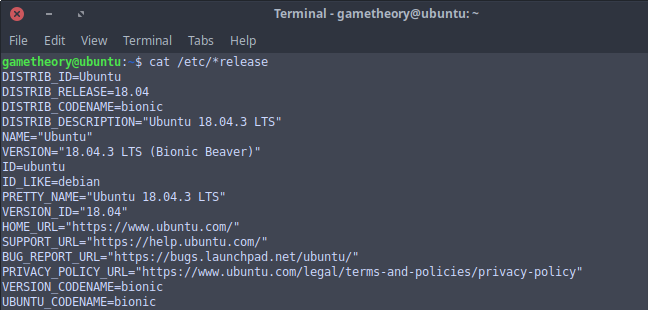
There are a few ways to check your kernel and linux os version, but today we will cover some commands to do this in a terminal.
Knowing how to check your kernel and linux os version in a terminal can be useful if you ever need help in a forum where they might ask for this information. You can also use this info in a bash script to determine what actions to take in your script based on the kernel and linux os version. Whatever the case may be, it’s a good idea to get familiar with these commands.
Tags: tutorials, linux, command lineUpdate Linux in a Terminal

Keeping linux updated is a simple hassle free task, unlike that other OS. On linux you can use a GUI app or update in a terminal. Both methods achieve the same result, but users usually have a preference. For me that’s the terminal.
Tags: tutorials, linux, command lineTime a Command in Linux

Getting familiar with timing commands in linux is a good idea. This is a good way to time long operations in a bash script or from the terminal. You can time most commands and any bash script. My favorite use case is for timing source code compilation from build scripts.
Tags: tutorials, linux, command line